How long do epoxy garage floors last?
With solid prep and a good topcoat, many epoxy garage floors last a decade or more. Sun, hot tires, moisture and heavy use can change that. A provider can explain what to expect for your slab and system.
Epoxy garage floor help in the Santee area
Request a no-obligation estimate
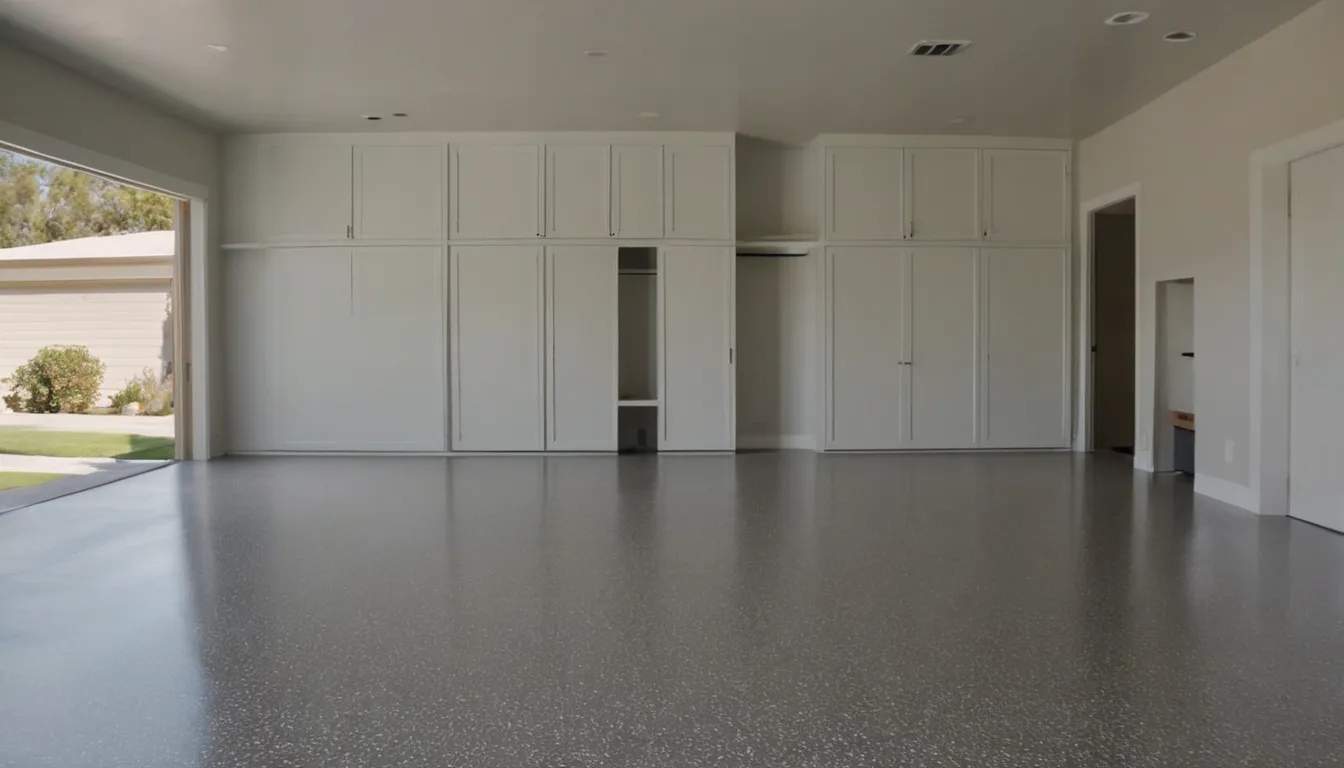
Epoxy garage floors turn a dusty, stained slab into a smooth, sealed surface. The coating bonds to the concrete and keeps oil, water and road grime from soaking in. It also makes the garage easier to sweep, brighter under the lights, and nicer to walk into. For many homeowners in the Santee area, that matters most when the garage doubles as a workshop or storage room.
Aaaddedbenifits Floor Coating is a referral service, not a coating company. We connect you with independent providers in our network who handle the grinding, repair and coating. This page explains how floors fail, what good prep looks like, and what to ask before you agree to a job. A job done right protects the home and its value when it is time to sell.
Maybe you noticed white dust on your shoes, paint peeling in sheets, or an oil stain that keeps coming back. These are signs the surface has stopped protecting the slab underneath. A garage floor is a bit like the sole of a work boot. It takes the weight, the grit and the spills every day, and once the sole wears through, the damage moves inward.
Take a breath. Most floor problems build slowly, so you have time to act in a calm order.
Concrete looks solid, but it is full of tiny openings. Picture a dry kitchen sponge on the counter. Spill something and it drinks it right up. Oil, road salt and water do the same to an unsealed slab, which is why stains set in and dust rises from the surface. Epoxy fills and seals those openings with a hard layer, so spills sit on top where you can wipe them away.
Imagine taping a poster to a greasy wall. It may stay up for a day, then curl off. Epoxy works the same way. It needs a clean, rough surface to grip. Most providers use a diamond grinder to open the concrete, then vacuum the dust, fix cracks and clean out oil. When a coating peels within a year or two, thin prep is the usual reason, not the epoxy itself.
If a quote skips grinding and only mentions a quick wash or a roll-on, ask why.
Picture plastic wrap stretched over a bowl. Water gathers underneath it. A slab can do the same thing when moisture rises from the soil and gets trapped under a coating. Slab-on-grade homes and garages with poor drainage are common examples, especially when winter rain follows a long dry season. Many providers run a simple moisture test first. If the readings are high, they may suggest a vapor-resistant primer or a different plan. Skipping that step is a common reason for bubbles.
Choosing a system is like choosing outerwear. A light jacket works on mild days, but a heavy coat suits harsh ones.
A provider can match the system to how you actually use the space.
Think of baking a layered cake. Each layer needs time to set before the next one goes on. A typical job runs in this order:
Many garages take a few days, and full curing can take longer. Ask the provider for a written schedule.
A topcoat works like sunscreen on a summer afternoon. Plain epoxy can yellow when sunlight hits it, and long dry seasons mean plenty of sun through open doors and windows. A UV-stable clear coat slows that fading. It also helps resist the marks hot tires can leave behind. Ask which topcoat is planned and how it handles sun.
A little effort from you helps the provider work smoothly.
Treat it like a good non-stick pan. It is tough, but it lasts longer with gentle care. Sweep weekly and mop with a mild cleaner. Wipe spills when they happen, and rinse off fine ash after smoke season. Avoid harsh acids and metal scrapers. Felt pads under jack stands and heavy tool chests help prevent gouges.
Buyers notice garages the way they notice kitchens. A clean, sealed floor suggests a house that has been looked after. A stained, flaking slab makes people wonder what else was skipped. Doing the job right also protects the concrete from moisture and salt, which can save repair costs later. Keep any paperwork about the system used, since it makes a handy record at resale.
A good provider welcomes questions. Here are a few worth asking:
Aaaddedbenifits Floor Coating is a referral service. We connect homeowners with independent providers in our network, and the provider does the work. Some providers also handle other flooring, such as hardwood flooring installation, but this page stays focused on the garage.
Providers open the concrete surface so the coating can grip instead of peeling away later.
Cracks and joints are filled and leveled before any coating goes down, so they show less afterward.
Choose solid color, scattered flakes or metallic swirls to suit the house and your daily use.
A protective top layer adds scratch resistance and helps slow sun fading on the finish.
These are typical U.S. ranges, and real prices vary by garage size, slab condition and the system chosen. Moisture problems and heavy repairs can raise the total. Always get a written quote that lists prep steps, materials and cure time.
| Item | Typical range | Notes |
|---|---|---|
| Thin roll-on epoxy | $3 – $5 per sq ft | Light coat; suits low-traffic garages |
| Flake system with topcoat | $5 – $9 per sq ft | Adds grip and hides small flaws |
| Metallic custom finish | $8 – $14 per sq ft | More labor and skill involved |
| Polyaspartic topcoat upgrade | $2 – $4 per sq ft | Extra sun and scratch resistance |
| Crack and joint repair | $200 – $800 | Depends on how many and how wide |
| Typical two-car garage total | $2,500 – $6,500 | Varies widely by prep and system |
Tell us your garage size, the floor's condition and what you want the finished floor to do.
A provider in our network looks at the slab and talks through options.
Check that each quote lists prep, materials, topcoat and cure time.
Pick a date, clear the garage, and follow the cure instructions so the floor lasts.
Clear, simple explanations of how floors fail, so you can judge a quote with more confidence.
Work is done by local providers in our network, not by Aaaddedbenifits Floor Coating.
Request an estimate and compare, with no pressure to hire anyone you speak with.
Providers know regional weather, slab types and the older tract homes common nearby.
Tell us about your garage or concrete floor. Request a callback to check provider availability, or request an estimate with no obligation.
No obligationWith solid prep and a good topcoat, many epoxy garage floors last a decade or more. Sun, hot tires, moisture and heavy use can change that. A provider can explain what to expect for your slab and system.
Usually not directly. Old paint and loose coating are typically ground off first, and cracks are repaired before coating. A provider needs to see the slab in person to say what it needs.
It depends on the product. Foot traffic often comes first, with cars and heavy items later after a longer cure. Ask the provider for exact timing and follow it closely, especially in cold or damp weather.
Tell us about your garage or concrete floor. Request a callback to check provider availability, or request an estimate with no obligation.
No obligation